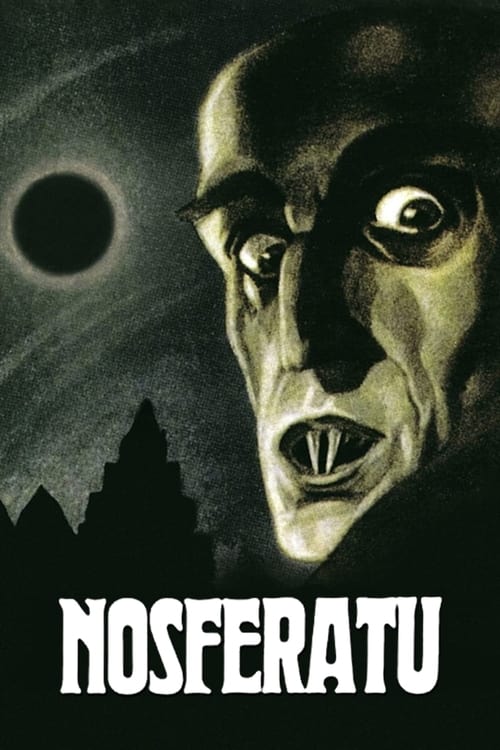
A real estate agent leaves behind his beautiful wife to go to Transylvania to visit the mysterious Count Dracula and formalize the purchase of a property in Wismar.
Trailer
Reviews
badelf
9
By badelf
The visuals in Werner Herzog's "Nosferatu the Vampyre" are luscious, hauntingly beautiful in ways that make you wonder: where did Herzog find these set pieces? The plague-ridden streets, the Gothic architecture, the rats flooding through medieval towns—it all feels discovered rather than constructed. This is Herzog's trademark style at its finest. You never feel like you're watching a movie. Instead, you're observing a documentary about a particular vampire, as though this is simply everyday experience captured on film.
Klaus Kinski's interpretation is 180 degrees from Bram Stoker's Dracula. He plays the count not as aristocratic predator but as a pathetic, misunderstood child: lonely, cursed, suffering his immortality. It's a brilliant tack for any actor to find this in the vampire character, transforming the monster into something tragic and almost pitiable. Herzog famously said the 11,000 rats used in filming were better behaved than Kinski, which tells you everything about their volatile collaboration.
What makes this version particularly resonant is how clearly it functions as metaphor for The Plague, or any pandemic. Dracula isn't evil; he's a vector, a non-judgmental, non-intentional cause of death. This interpretation fits perfectly with Kinski's pathetic creature. He doesn't choose to destroy, he simply is destruction. The horror isn't in malice, but in inevitability.
Herzog understood that the most terrifying monsters are the ones who cannot help what they are.